
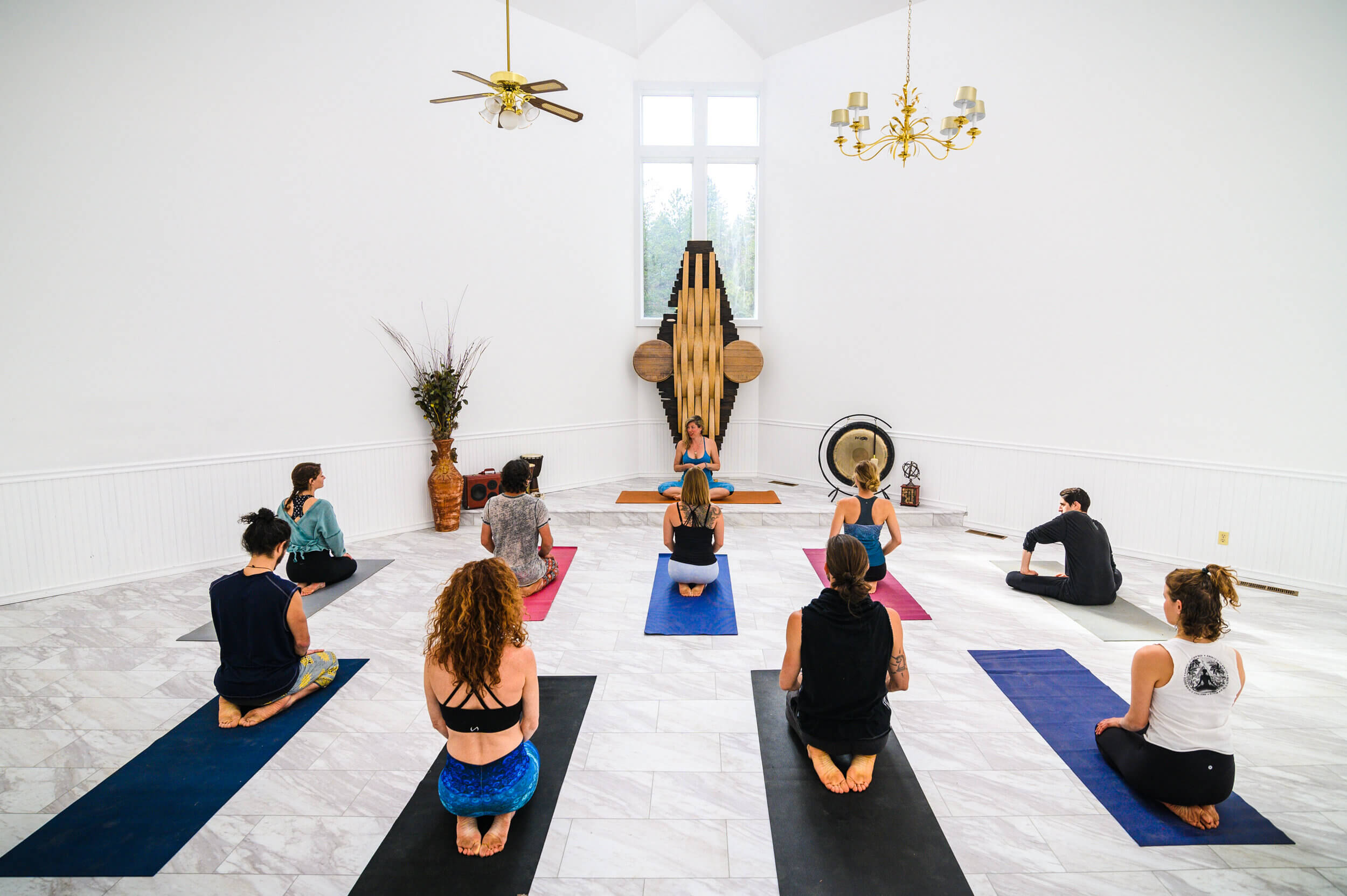
Designing compliant, scalable operational infrastructure for spiritual and retreat-based organizations. Independent systems architecture enabling governance, trust, and operational clarity without compromising the integrity of sacred spaces.
Sanctuary of the Inner Compass was a non-denominational spiritual association and retreat container that operated alongside Everland from 2019 to 2021. The organization served as the spiritual and retreat layer of the Everland ecosystem, focused on retreats, inner work, community gathering, and personal development.
Sanctuary emphasized honoring the intrinsic voice of each individual and creating safe containers rooted in love, accountability, and collective growth. The organization functioned within the Everland ecosystem while maintaining its own distinct identity, mission, and operational boundaries.
This work required designing systems that supported both the practical needs of retreat operations and the deeper values of the organization. The challenge was building infrastructure that enabled governance, compliance, and trust without stripping the soul from the experience.
My involvement with Sanctuary of the Inner Compass spanned multiple dimensions of organizational life. This was deep, hands-on stewardship across systems, people, and experience.
Facilitated and produced retreats that invited people into genuine presence and reflection. This work required coordinating logistics, managing participant flow, and ensuring that the behind-the-scenes operations supported the integrity of each experience.
Operationalized the practical elements that enable retreats to function: AV equipment, sound systems, lighting, and technical infrastructure. These systems needed to be reliable, unobtrusive, and supportive of the container being held.
Worked directly with facilitators, staff, and community members to ensure smooth operations. This included on-site leadership, logistics coordination, and creating systems that allowed people to focus on their work rather than administrative friction.
Provided board-level leadership support and business development guidance. Helped develop standard operating procedures for retreat bookings, room and cabin rentals, and hospitality services, ensuring that operational systems were as intentional and caring as the experiences themselves.
One of the most critical aspects of this work was designing and building two independent operational systems so that Everland and Sanctuary of the Inner Compass each maintained separate books, separate operations, and separate CRM and member data. This clear organizational separation enabled legal and operational clarity, accountability, and trust.
The systems were architected to maintain complete operational independence while sharing physical space and resources. This separation was not just technical. It was a foundation for sustainable governance, ensuring that each organization could operate with integrity, clarity, and accountability.
Designed separate accounting and financial tracking systems that maintained clear boundaries between organizations. This enabled accurate reporting, compliance, and financial accountability for each entity.
Built independent membership management and CRM systems that maintained distinct member data, communication channels, and organizational relationships. This separation protected privacy and enabled each organization to serve its community with clarity.
Established clear operational boundaries that defined how resources were shared, how responsibilities were allocated, and how decisions were made. These boundaries created trust and enabled both organizations to operate with integrity.
Developed streamlined workflows for liability waivers, photo releases, and participant agreements. These systems ensured compliance while maintaining the dignity and care that defined Sanctuary's approach to community.
The systems and infrastructure built for Sanctuary of the Inner Compass enabled smoother operations, clearer accountability, and stronger organizational foundations.
The operational systems eliminated administrative friction, allowing facilitators, staff, and participants to focus on the work rather than logistics. Standard operating procedures ensured consistency and clarity across all retreat operations.
Clear organizational boundaries and independent systems created operational clarity that supported decision-making, accountability, and trust. This clarity enabled both organizations to operate with integrity and purpose.
The infrastructure supported safer containers for retreat work by ensuring proper documentation, clear agreements, and reliable systems. This foundation enabled facilitators and participants to engage more fully in the work.
Retreats ran more smoothly with reliable AV systems, clear logistics, and supportive operational infrastructure. This enabled facilitators to hold space more effectively and participants to engage more deeply.
Independent systems and clear boundaries created stronger accountability structures. This foundation supported governance, compliance, and trust at both organizational and operational levels.
The operational architecture provided a foundation for sustainable governance that could support long-term organizational health. This infrastructure enabled values-driven organizations to operate with both integrity and effectiveness.
This work matters because it demonstrates that systems thinking can be applied to sacred spaces without compromising their integrity. It shows that operational infrastructure can support values-driven organizations in ways that enable rather than constrain.
The challenge with spiritual and retreat organizations is often that operational needs are seen as separate from or even opposed to the deeper work. This project demonstrated that infrastructure can be designed to serve both practical needs and deeper values simultaneously.
The operational separation between Everland and Sanctuary was not just a technical requirement. It was a statement about integrity, accountability, and stewardship. It showed that complex organizational relationships can be managed with clarity and care.
This work matters because it proves that you can build compliant, scalable operational infrastructure for spiritual and retreat-based organizations without stripping the soul from the experience. It demonstrates leadership without ego, systems without rigidity, and infrastructure that serves rather than dominates.
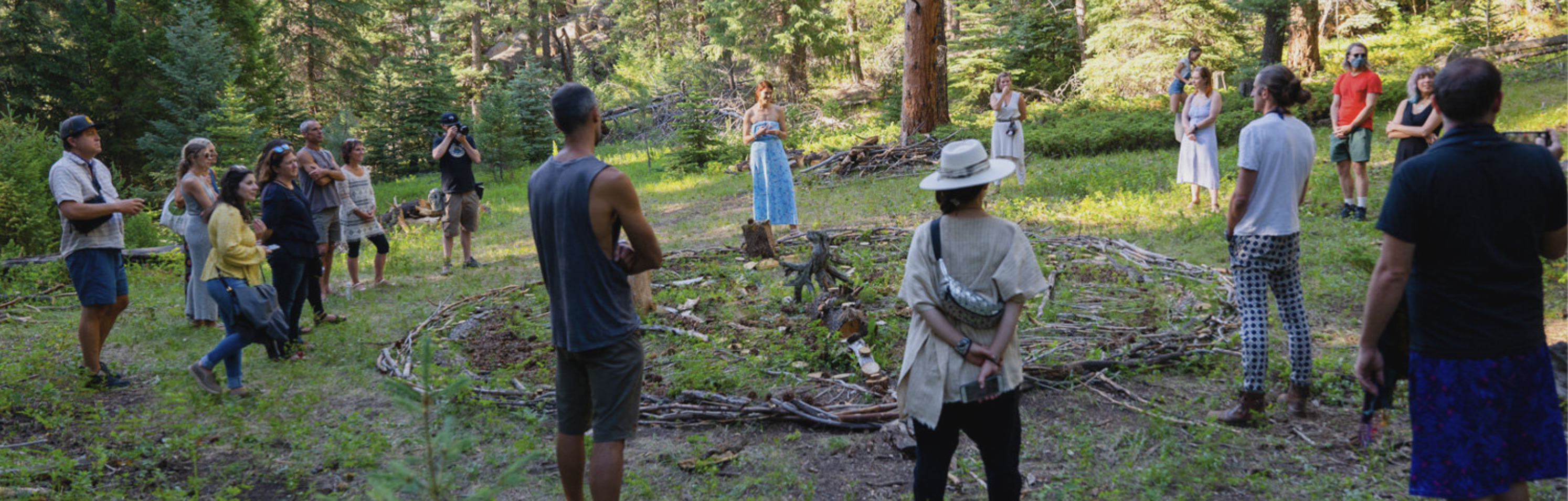
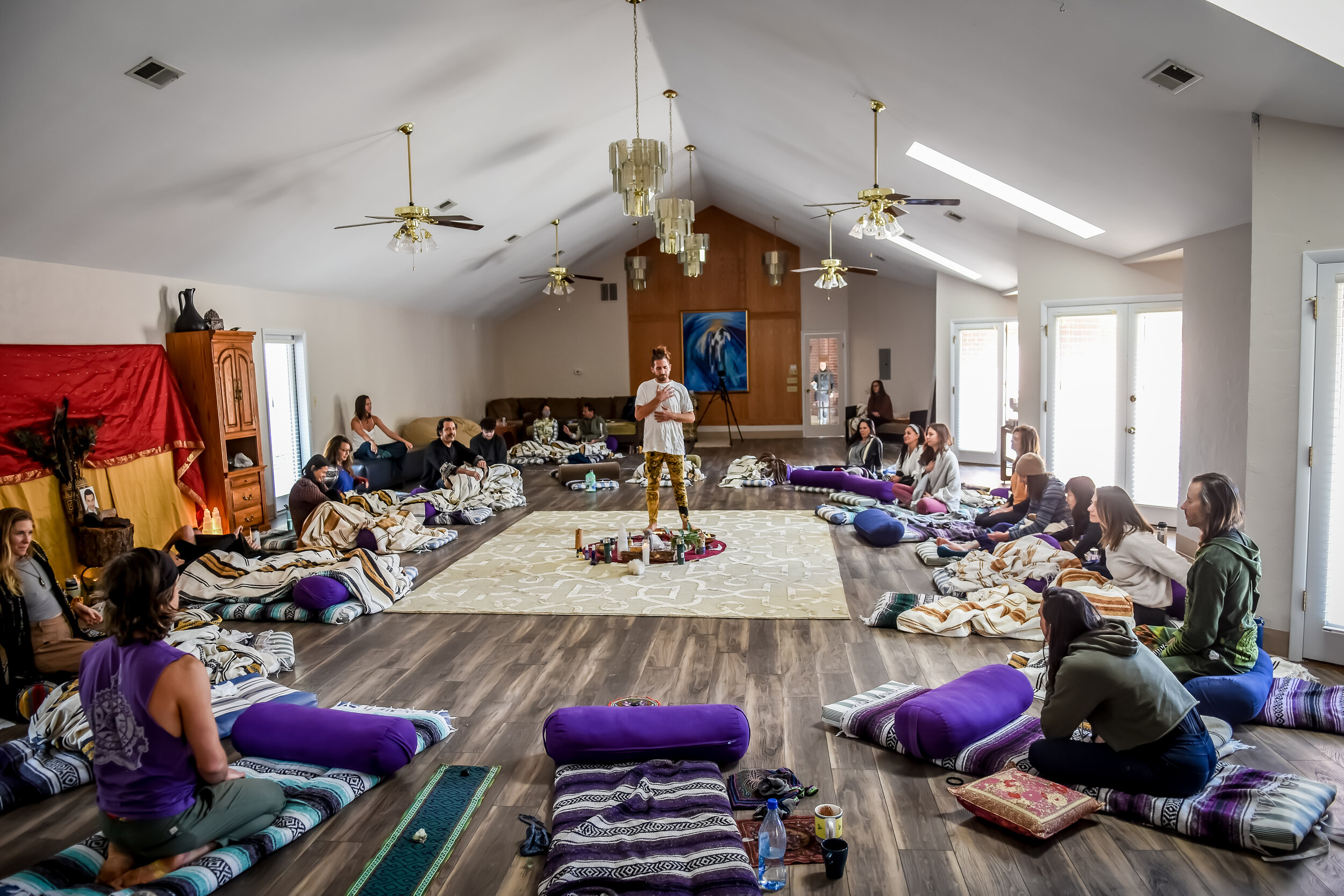
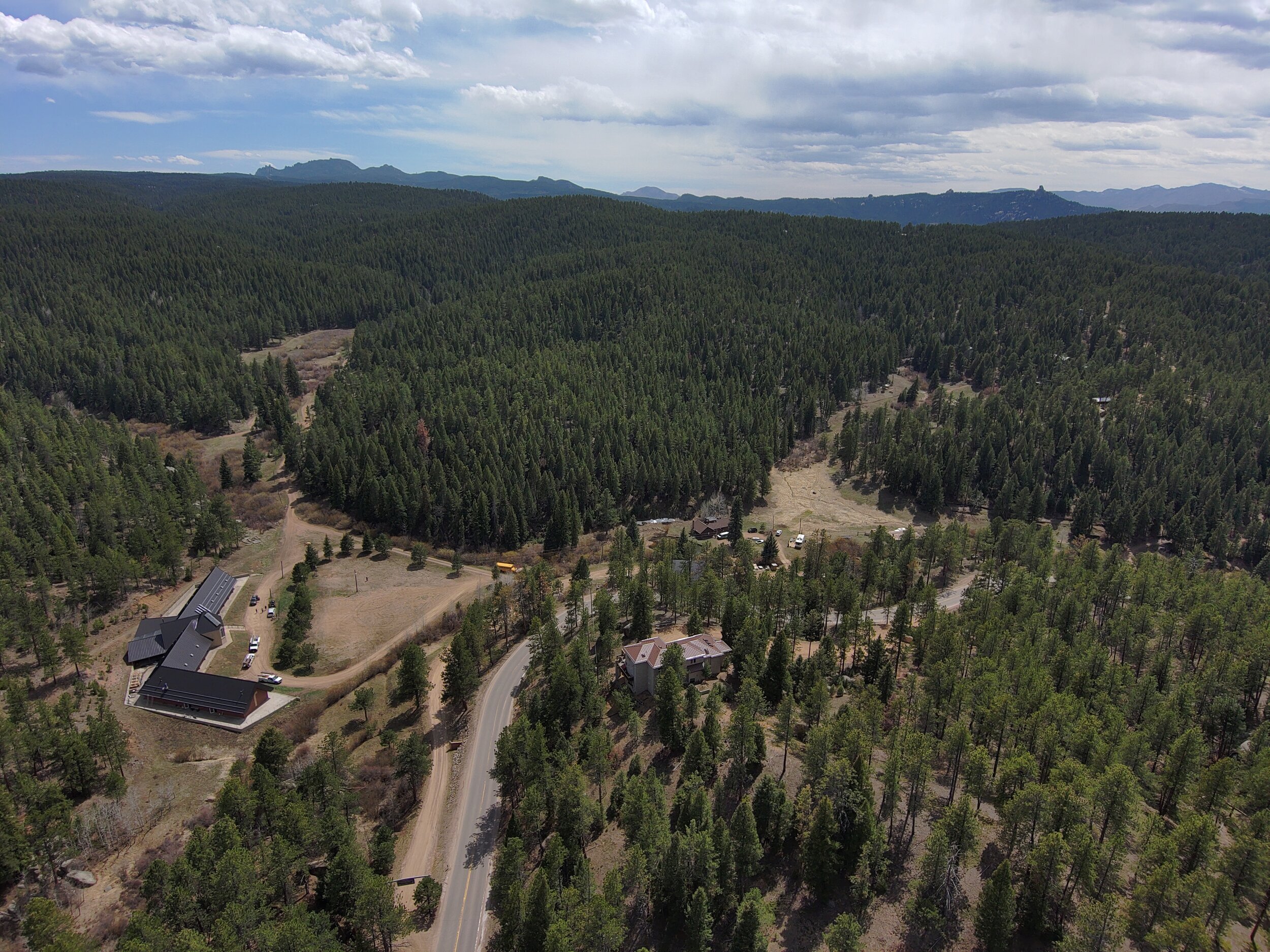
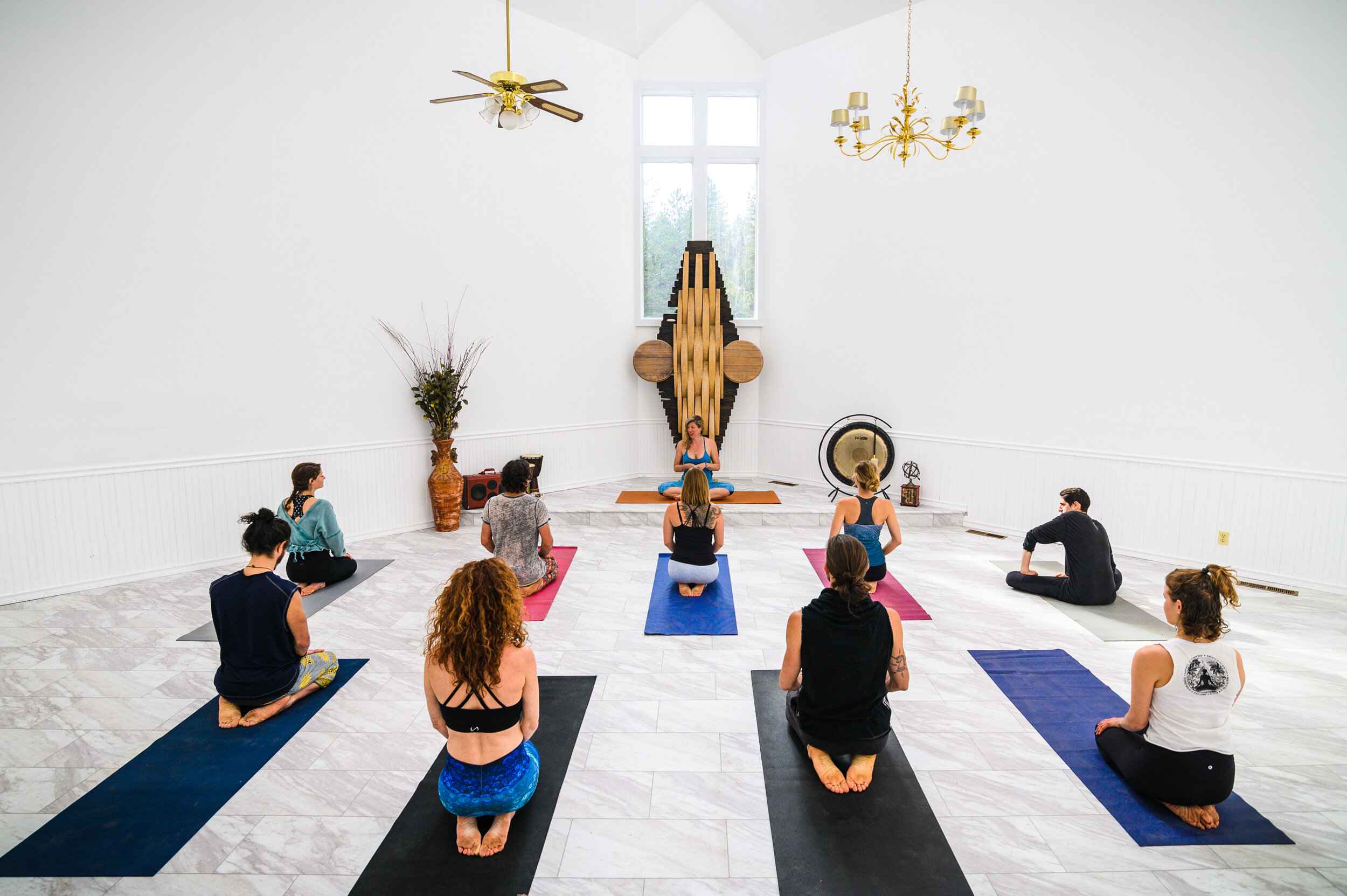

Sanctuary of the Inner Compass represented a completed chapter of my work, operating from 2019 to 2021 as part of the Everland ecosystem. The organization continues to exist today, though it no longer operates at the original location and I am no longer involved.
This project taught me that systems thinking applies to sacred spaces as much as to enterprise operations. It showed me that infrastructure can be designed to support values-driven organizations in ways that enable rather than constrain, that serve rather than dominate.
The work demonstrated that operational integrity and organizational soul are not opposed. They can be designed to support each other. This foundation enables retreat leaders, facilitators, and organizations to focus on their work while maintaining the governance, compliance, and trust that sustainable organizations require.
If you're building a retreat organization, spiritual community, or values-driven organization that needs operational infrastructure designed with both integrity and effectiveness, this is the level of work I deliver. Systems that serve the work, governance that enables trust, and infrastructure that supports rather than constrains.